Bar NYC Guide for Food and Drink Pairings
@jeffreyydwx501
November 11, 2026 · 16 min read
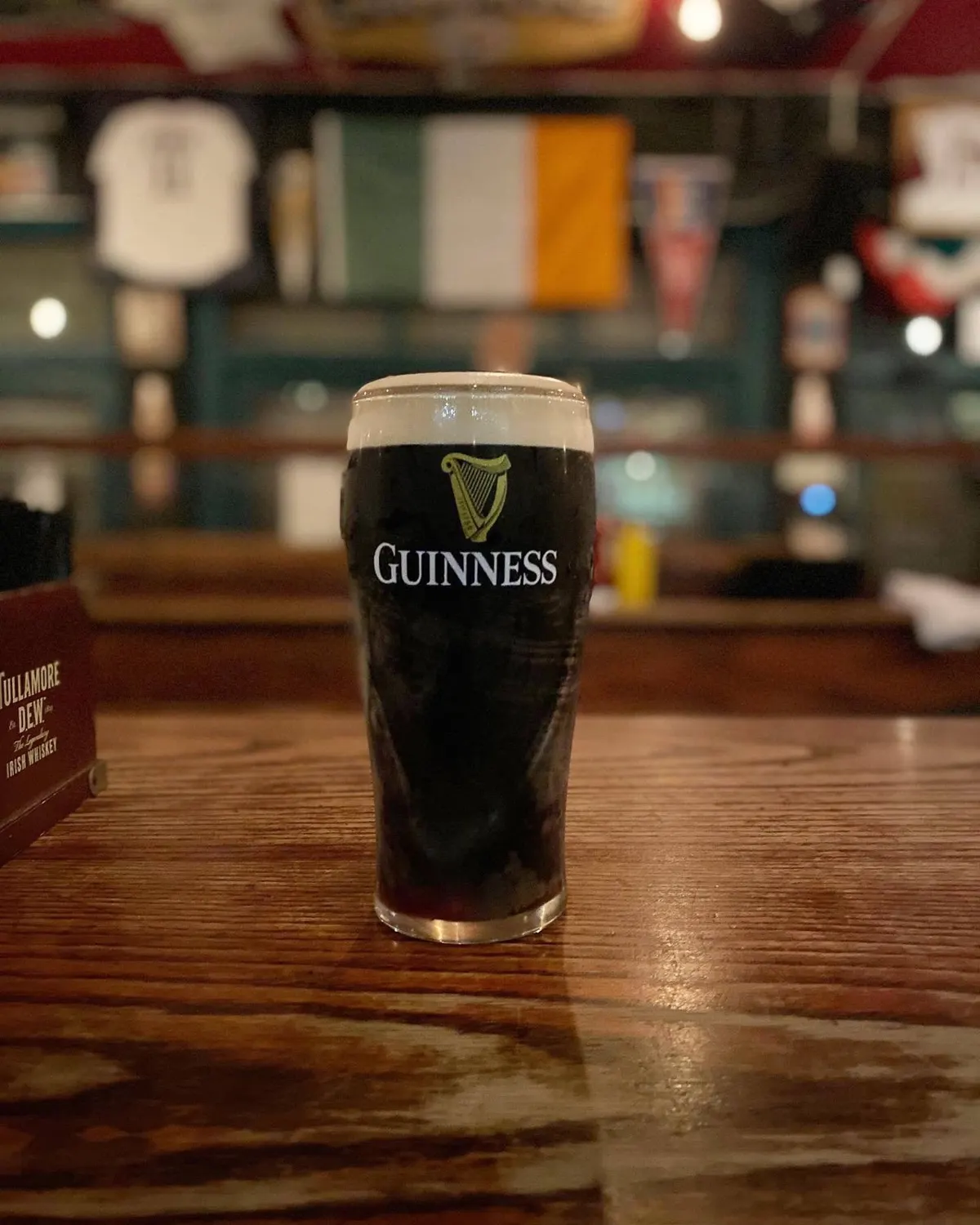
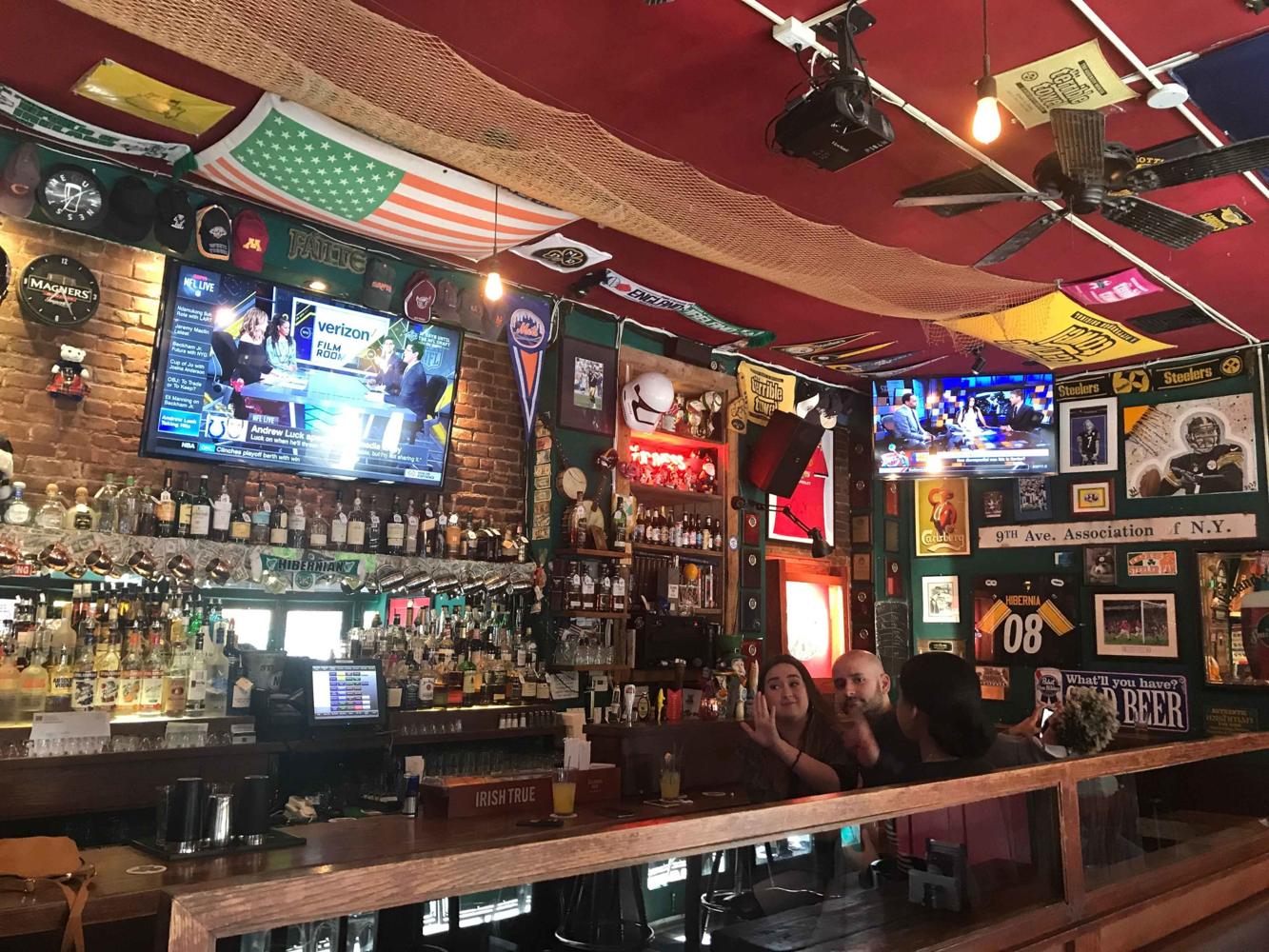
New York rewards people who know how to order well. That sounds obvious, but in a city where one block can hold a corner tavern, a natural wine bar, an old-school steakhouse, and a room serving Japanese highballs with caviar chips, the right pairing matters more than most people expect. A good match between glass and plate can sharpen flavor, calm intensity, and make a quick stop at the bar feel like a full evening. A bad one can flatten both.
A strong Bar NYC experience is rarely just about what is poured. It is about timing, atmosphere, appetite, noise level, and the kind of food a place is actually built to serve. Some bars are at their best when you order a martini and a few briny bites and keep the meal light. Others want richer food, lower-proof drinks, and enough time to let the second round arrive after the kitchen finds its rhythm. New York has enough range that there is no single formula, but there are patterns, and once you understand them, ordering gets easier.
What follows is not a rigid rulebook. It is a practical guide grounded in how bars in New York actually operate and how flavors behave when they meet on a crowded table.
Start with the bar, not the drink
People often begin with a favorite drink and then try to force the food around it. That works sometimes, but not consistently. The better approach is to read the room first. A narrow East Village wine bar with anchovies, beans, and pickled vegetables is built for acidity, minerality, and salt. A Midtown cocktail bar that sends out beef sliders, truffle fries, and thick-cut bacon wants richer, rounder, spirit-forward drinks. A Brooklyn beer hall with sausages and giant pretzels is asking for bitterness, carbonation, and enough malt to stand up to mustard and char.
A bar tells you how to order through small signals. Look at the menu length. If food is limited to oysters, olives, and chips with dip, the drink program is the main event and the snacks are there to support it. If the kitchen is turning out roast chicken, crab toast, and pork Milanese until late, then food should shape your beverage choices. Watch the tables too. If regulars are sharing shellfish towers and cold martinis, lean into that lane. If most groups are ordering amber beers with burgers, there is usually a reason.
This is especially true in NYC, where many bars have a strong identity but limited patience for special requests at peak hours. Ordering in the spirit of the place usually means you will get the best version of both food and drink.
Why pairing in New York feels different
New York bars move fast. Seats turn over quickly. Kitchens may be tiny. Ice quality, glassware temperature, and food pacing can shift between 6:00 p.m. And 10:30 p.m. Because volume changes everything. Pairings that seem perfect on paper can fail if one element arrives lukewarm or too late. That is not a flaw in the idea. It is the reality of hospitality in a packed city.
There is also the matter of concentration. New York bartenders tend to season boldly. Citrus runs bright, saline flavors show up often, and many cocktails carry more intensity than similar drinks in quieter markets. Food follows suit. Pickles are sharper, hot honey hotter, aioli heavier on garlic, and spice levels more assertive in many kitchens. When both sides push hard, balance becomes more important than novelty.
A pairing should create relief as much as excitement. One of the best lessons any frequent bar guest learns is that contrast often beats similarity. Rich duck rillette does not always need a rich Manhattan. It may shine more with sparkling wine or a dry cider that cuts through the fat. Salted fries with an IPA can be great, but fries with a crisp gin and tonic can taste even cleaner because bitterness is not stacking on bitterness.
The classic New York pairings that still work
Some combinations persist because they solve a real sensory problem. Oysters and a martini remain one of the great Bar NYC orders because the drink’s chill and salinity mirror the shellfish without obscuring its sweetness. The martini does not need to be complicated. In fact, it is better when it is not. Keep it cold, restrained, and dry enough to feel brisk. Add too much olive brine or garnish clutter and the oyster loses its delicacy.
The beer and burger pairing survives every trend cycle for equally solid reasons. Carbonation resets the palate after fat, and bitterness keeps the beef from feeling heavy. In many New York bars, a simple lager is more effective than a massive double IPA, especially if the burger carries cheese, onions, pickles, and a soft bun. There is a temptation to order the most expressive beer on the menu. Often the smarter move is Bar NYC the cleanest one.
Then there is Champagne or other sparkling wine with fried food, one of the city’s most consistently satisfying plays. Fried chicken bites, croquettes, calamari, tempura vegetables, even a well-made basket of fries all benefit from bubbles and acid. This pairing feels luxurious because it is, but it is also practical. Effervescence scrubs the palate. A sharp sparkling wine turns another salty bite into something you still want.
Negronis with cured meat and cheese boards can be excellent, but only when the board is selected with the drink in mind. The Negroni’s bitterness and sweetness can bully mild cheese. Give it aged cheese, firm salami, olives, or nuts and it starts to make sense. Put it next to fresh mozzarella or a delicate triple cream and the drink wins too easily.
Cocktails and bar food, matched by structure
When people talk about pairings, they often focus on flavor notes, citrus with seafood, whiskey with meat, and so on. Structure matters more. Think in terms of acidity, bitterness, sweetness, alcohol, salt, fat, and texture.
High-acid cocktails, such as a daiquiri, a margarita, or a Tom Collins, generally like foods with some fat or salt. Fried shrimp, guacamole, fish tacos, and chicken skewers all improve when acid cuts through them. A sharply sour drink with raw crudités or plain almonds, by contrast, can feel too angular.
Spirit-forward cocktails, including martinis, Manhattans, old fashioneds, and many stirred house drinks, are better with food that has enough weight and savoriness to absorb alcohol. Steak bites, pâté, charred mushrooms, roasted nuts, and salty chips work. Light salads usually do not. The drink lingers too long and the food disappears.
Bitter cocktails need care. An Americano or a spritz can be wonderful with salty snacks, especially olives, potato chips, and tinned fish. Those combinations are popular for a reason. But stack bitterness on charred bitter greens or heavily blackened food and the result can become medicinal. This is one of the most common mistakes in stylish bars with ambitious menus.
Sweetness is where many pairings fail. Drinks with notable residual sugar, whether from vermouth, liqueur, syrups, or tropical fruit, can make savory food taste flatter unless the dish has spice, smoke, or deep umami. A rum drink with jerk wings or spicy peanuts can sing. The same drink with a plain chicken sandwich may feel sticky and unfocused.
Wine bars: where restraint pays off
Wine bars in New York often pair better than full cocktail bars because the food is designed for the beverages from the start. Still, the best orders come from restraint. Instead of trying to sample every category, choose a lane. If the room specializes in coastal whites and light reds, order food that lets those wines stay vivid. Crudo, white beans, roast peppers, anchovies on toast, and simply dressed greens all leave enough space for mineral wines to register.
Orange wine, now common across downtown lists and many Brooklyn spots, can be more versatile than people expect. It often works beautifully with spiced vegetables, poultry, and fermented flavors because its texture and slight tannin bridge the gap between white and red. But it can also clash with aggressively vinegary dishes. I have seen people order a skin-contact wine and then wonder why a sharp pickle plate made everything taste jagged. The wine was not wrong. The pairing was.
With red wine in bars, especially by-the-glass pours, temperature matters. In a crowded room, reds can arrive warmer than ideal, which makes alcohol more apparent and food pairings less forgiving. A cool, medium-bodied red with mushrooms or lamb skewers can be terrific. The same wine served too warm next to rich pork can feel tiring after a few sips. If a red seems warm, give it time or ask for a cooler option. In a good NYC bar, that is a normal request, not a fussy one.
Beer pairings beyond the obvious
Beer deserves more respect in pairing conversations, especially in New York, where bar food often skews salty, fried, smoked, or spicy. Beer handles those conditions better than many cocktails do. The trick is matching intensity without creating fatigue.
Lagers, pilsners, and helles styles are the quiet professionals of the bar world. They make fried food crisper, pickles brighter, and burgers more balanced. They also leave room for conversation, which matters more than people admit when they are settling in for an evening. Big beers can be fun, but they can narrow your options fast.
Pale ales and IPAs pair well with spicy food if the bitterness is not extreme. There is a common belief that hops automatically tame heat. Sometimes they do the opposite, especially with very bitter, high-alcohol beers. If you are eating hot wings or chile-heavy snacks, a lower-alcohol pale ale or a wheat beer can be kinder than a bitter bomb.
Dark beers belong in more NYC bars than they often get credit for. Stouts and porters with sliders, barbecue bites, or desserts can be excellent. A dry stout with oysters, while not as common in New York as in some other cities, is still one of the smartest pairings around. The roast and minerality echo the shellfish in a way that feels deeper than expected.
Spirits, snacks, and the danger of over-ordering
The most common pairing mistake in a busy city bar is ordering a high-proof drink and heavy food at the same time, then adding more rounds before the table catches up. A smoked old fashioned, bone marrow toast, fries, and mac and cheese may sound fun in theory. In practice, the palate gets exhausted halfway through. Everything becomes either sweet, salty, or both.
If you are starting with richer drinks, keep the first food order narrower. Salty nuts, good olives, chips, and one substantial savory dish can carry the table while you decide whether to stay. This is not timid ordering. It is strategic. Many NYC bars hit their stride with a first round and a few polished snacks, then lose elegance once the table is buried in fried sides and strong cocktails.
Here are the pairings principles I return to most often when ordering at a bar in New York:
- Match intensity before matching flavor.
- Use acid and bubbles to reset richness.
- Let salt support a drink, but do not stack salt on salt indefinitely.
- Treat sweetness carefully around delicate savory food.
- When unsure, simplify the drink rather than complicate the food.
Those five rules work across nearly every neighborhood, from a polished West Village room to a louder bar in the Lower East Side.
Pairing by bar style in NYC
A seafood-forward bar asks for precision. Martinis, Muscadet, Chablis, sparkling wine, dry cider, and clean lagers all make sense because they preserve detail. Oysters, shrimp cocktail, smoked fish dip, and crab toast can turn muddy under brown spirits or heavily spiced cocktails. That does not mean whiskey is forbidden. It means whiskey probably belongs later, after the shellfish course is done.
A cocktail den with dim lighting and a kitchen sending out rich small plates benefits from pacing. Start bright, then move deeper. A gin sour or a spritz with the first bites, perhaps whipped ricotta or crudo. Then shift to something stirred when the burger, meatballs, or roast mushrooms appear. That sequence mirrors appetite. It also protects your palate.
A natural wine bar often thrives on contrast and controlled funk. Fermented vegetables, beans, sardines, and unusual herbs can make pairings thrilling, but only if you avoid piling eccentricity on eccentricity. If the food is already challenging in texture or fermentation, choose the more stable wine, not the wildest one. The point is tension, not chaos.
At a neighborhood tavern, comfort matters more than theory. You do not need to overthink a shot-and-beer pairing with a hot dog or a lager with a plate of wings. What matters is temperature, freshness, and proportion. Cold beer, crisp wings, and enough napkins will beat a more “interesting” pairing assembled carelessly.
How to order if you are eating at the bar solo
Solo dining and drinking is where pairing becomes practical rather than performative. You notice temperature shifts faster. You feel pacing more acutely. You also have less room for error because you are not sharing six plates.
When I eat alone at the bar, I usually decide whether the drink or the food is leading the night. If the bar is known for cocktails, I order one serious drink and food that supports it. If the kitchen is stronger than the beverage program, I may take a glass of wine or beer that stays out of the way. This sounds simple, but it avoids the very common trap of trying to do everything at once.
A solo guest should also pay attention to portion logic. Rich snacks can be perfect with one drink, but punishing with two. Charcuterie sounds easy until you realize you are halfway through a large board and your palate is coated in salt and fat. On the other hand, a plate that seems modest, say oysters, deviled eggs, or tuna tartare, can pair beautifully across more than one round if the drinks are crisp and cold.
Good pairings for common NYC bar menu items
Some foods show up everywhere in the city, and they have reliable partners.
Fries are more versatile than people think. They work with lager, sparkling wine, martinis, and even a well-balanced gin and tonic. The key variable is seasoning. Truffle fries narrow your options because aroma dominates. Standard salted fries are easier and often better.
Oysters prefer restraint. Martini, Champagne, Muscadet, and dry stout all have logic. Sweet cocktails and oaky wine almost never improve them.
Burgers want cleansing power. Lager is the safest choice, but a high-acid red, a hoppy pale ale, or even a dry cider can be excellent. Very boozy stirred cocktails tend to overwhelm unless the burger is especially beefy and simply dressed.
Spicy bar snacks need caution with alcohol. The hotter the food, the more I lean toward beer, spritzes, or lower-proof drinks. People often order a fiery margarita with spicy food and wonder why the burn escalates. Heat plus alcohol can amplify itself quickly.
Cheese boards are context-dependent. Fresh cheese likes crisp white wine or lighter sparkling wine. Aged cheese can handle amaro, red wine, or a Manhattan. The board matters more than the category.
When the pairing should break the rules
Rules help until they get in the way of pleasure. Sometimes a bar has one signature drink that simply deserves your attention, even if the menu pairing is imperfect. Sometimes the fries are so good that all you want is Champagne, and that is enough. Sometimes a rainy night in New York calls for whiskey and a grilled cheese, whether or not a sommelier could argue for something “better.”
Breaking the rules works best when you know what trade-off you are making. A rich drink with rich food can feel luxurious for twenty minutes and exhausting after an hour. A bitter cocktail with bitter greens can taste sophisticated but also severe. If you make that choice deliberately, fine. Problems start when people mistake intensity for balance.
There is also a social side to pairings that matters in bars more than in restaurants. If you are with a group, versatility matters. Ordering a bottle of sparkling wine and a spread of salty, fried, and raw snacks often works better than trying to align each small plate with a separate cocktail. Bars are fluid spaces. People arrive late, add orders, and change pace. The best pairing strategy for a group is often the one that remains flexible.
A final note on service and confidence
The best Bar NYC nights usually come from asking one good question at the right moment. Not ten questions at once, and not a speech about your preferences, just one direct question that helps the bartender or server guide you. Something like, “What drink handles the fried food best here?” or “Are your oysters better with the martini or the sparkling wine?” Those questions invite useful answers because they are grounded in the reality of the menu.
Good staff notice what actually works in their room. They see what guests reorder, what gets left behind, and what combinations make people light up. Trust that experience, but bring your own judgment too. If you know you dislike bitterness, do not order a Negroni because it pairs well with salumi in theory. If you love bone-dry wine, say so. Pairing is not about proving sophistication. It is about increasing pleasure.
New York offers almost every style of bar drinking imaginable, from polished and formal to loud and gloriously scrappy. Across all of it, the principle stays the same. Let the bar reveal its strengths, choose food and drink with compatible structure, and respect the pace of the room. Do that, and even a simple order, a cold martini and oysters, a lager and burger, a glass of sparkling Bar NYC wine and fries, can feel exactly right.
Hibernia Bar
401 W 50th St
New York, NY 10019
(212) 969-9703
FAQ About Bar NYC
What is there to do in Hell's Kitchen, NYC?
Explore the restaurants and bars along Ninth Avenue, catch a Broadway show nearby, or visit the Intrepid Museum on the Hudson River. Hibernia Bar is at West 50th Street and Ninth Avenue, a convenient stop before or after a show.
What are some bars in New York City that serve good food?
Hibernia Bar in Hell's Kitchen serves wings, burgers, fish and chips, and shepherd's pie. Its kitchen lists a 2 a.m. closing time, which makes it an option for dinner after a show or a game.
How far is Hell's Kitchen from Times Square?
Hell's Kitchen is just west of Times Square. From Broadway and West 45th Street, Hibernia Bar is roughly 0.6 miles away, or about a 12-minute walk depending on crowds.