Bar NYC Trends: What’s Hot in the City Right Now
@jeffreyydwx501
November 11, 2026 · 15 min read
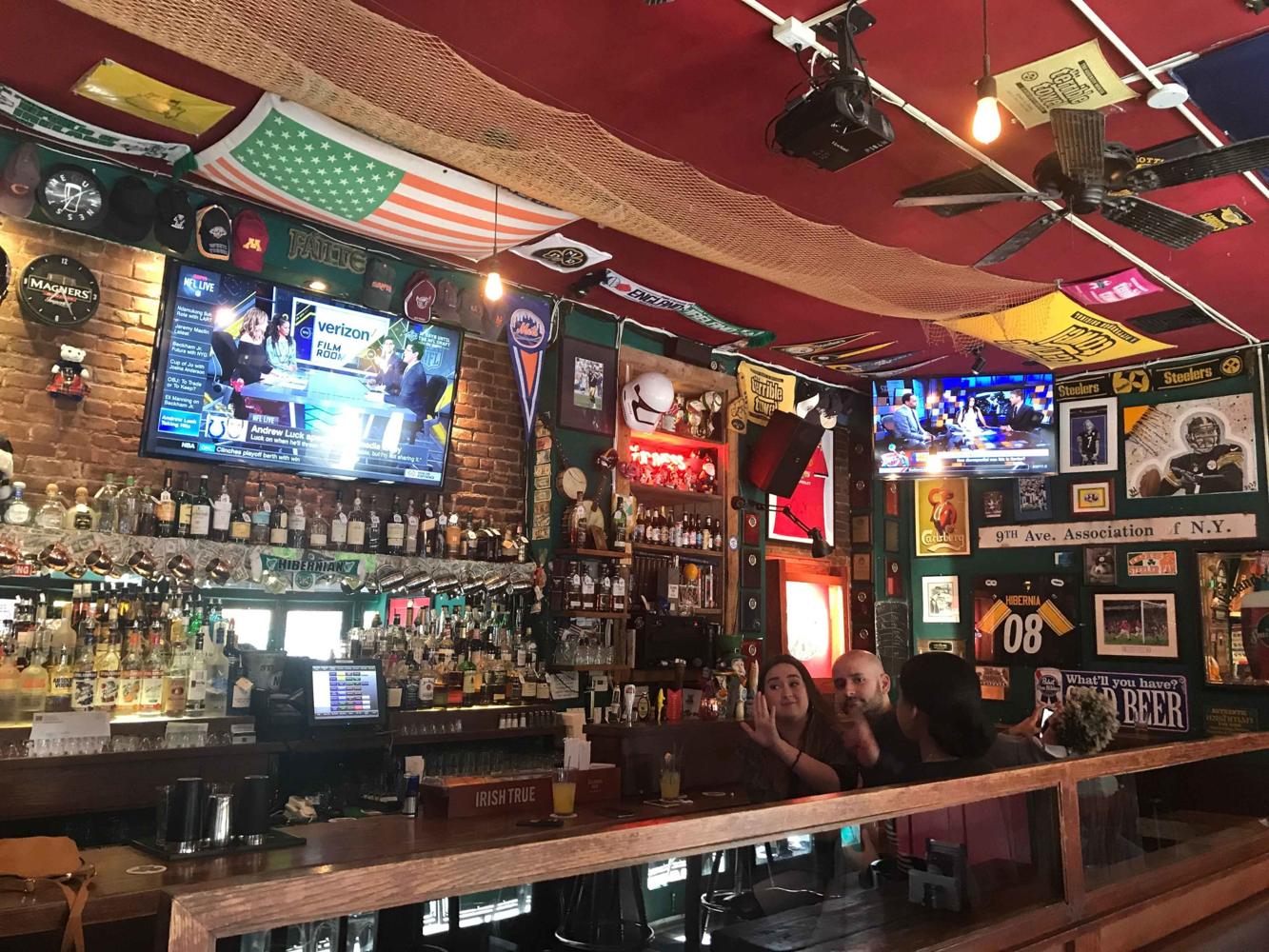
New York does not sit still long enough for any bar scene to feel settled. A room can open to a flood of reservations, spend six months all over social media, then quietly recalibrate into something better, smaller, and more durable. That cycle has always existed, but right now it feels especially compressed. Costs are high, attention spans are short, and guests know more than they used to. They arrive with opinions about ice, vermouth, lighting, service pacing, and whether the playlist fits the hour. For anyone watching the Bar NYC landscape closely, the most interesting shift is not one single trend. It is the way style, business reality, and guest expectations are colliding in the same rooms.
The result is a bar culture that feels both more polished and more personal. The old split between serious cocktail dens and casual neighborhood hangouts is softer than it was a decade ago. You can now walk into a low-key Brooklyn spot with a vinyl shelf, a short snack menu, and a crowd in workwear, then be handed a drink made with the same precision once reserved for a special-occasion Midtown bar. At the same time, glossy destination venues are trying to loosen up, dropping some of the stiffness that Bar NYC once signaled luxury. Guests still want craft. They just do not want to be lectured while they get it.
The return of warmth
A few years ago, many new bars leaned hard on visual drama. Think backlit shelves, high-contrast interiors, maximalist garnish, and menus that read like design school projects. Some of those places are still excellent, but there is a clear return to warmth now, both in hospitality and in the room itself. More operators are choosing softer light, gentler music levels, natural textures, and service that feels attentive without being theatrical.
This is not nostalgia for old taverns, at least not in a simple way. It is a practical response to what people want from a night out. New Yorkers are tired, busy, and paying a lot for the privilege of sitting in a nice room. They want atmosphere, but they also want ease. The bars drawing repeat business are often the ones that make people feel instantly comfortable, even when the drinks are sophisticated.
That warmth also shows up in menus. Bartenders are writing descriptions that tell guests what matters rather than performing obscure expertise. A drink might mention green strawberry, fino sherry, and mint, but the menu tells you it lands crisp and savory, not just that it contains something rare. That sounds minor. It is not. Clear language removes friction, and friction is the enemy of a second round.
Martinis keep getting bigger, colder, and more specific
If one drink has become the unofficial mascot of the moment, it is the martini. Not the vague, obligatory martini that once sat in the corner of every menu, but a highly intentional version. In New York right now, martinis are less of a category and more of a philosophy. Guests care about temperature, dilution, salinity, garnish choice, and glassware in a way that would have sounded precious twenty years ago and feels completely normal now.
The current martini boom has several roots. First, it suits the city’s appetite for restraint. After years of fat-washed, smoke-filled, twelve-ingredient cocktails, a very cold martini reads as confident. Second, it photographs well without needing tricks. Third, it encourages ritual, and ritual has become one of the few forms of luxury that still feels believable. A sidecar pour in a tiny chilled carafe, a lemon twist expressed tableside, a choice between olive profiles, these are small details, but they create memory.
What is different now is how broad the martini family has become. Dirty martinis are having a real run, often with better brine, better vermouth handling, and more thoughtful olive pairings. Fifty-fifty martinis, once a bartender’s private preference, are now selling to regular guests who want something long, elegant, and less punishing early in the evening. Freezer martinis, prebatched for perfect texture and speed, have moved from insider move to mainstream expectation at quality bars.
This trend cuts across neighborhoods. Downtown, the martini may come in a room that feels half fashion set, half classic hotel bar. In Brooklyn, it may appear beside tinned fish and a stack of records. Uptown, it might be almost aggressively simple, all discipline and no fuss. Different rooms, same message: precision matters, and restraint can still feel indulgent.
Savory drinks are no longer a niche taste
One of the clearest developments in Bar NYC menus is the rise of savory structure. Not every guest wants a drink that tastes like dessert, fruit punch, or a scented candle. More bars are leaning into saline, vegetal, herbal, and umami notes, but in a way that stays balanced and drinkable.
That can mean tomatoes, peppers, olive leaf, kombu, mushroom, celery seed, seaweed tincture, or a splash of broth clarified to near transparency. It can also mean a subtler move, like using fino sherry to pull a cocktail away from sweetness, or seasoning a highball with a saline solution so the flavors snap into place. The best versions do not announce themselves as weird. They simply taste complete.
This shift is partly a food culture story. Diners are more adventurous now, and kitchen-bar collaboration is tighter than it used to be. A bartender can talk to a chef about preserving ramps, clarifying cucumber trim, or building a cordial around roasted rice, and the result does not feel gimmicky if it serves flavor. It also reflects how people drink while eating. New Yorkers increasingly expect bar drinks to hold their own with serious food, whether that food is oysters, skewers, pasta, crudo, or a burger at midnight.
There is a caution here, though. Savory can go flat if the bar forgets refreshment. Guests may admire a sip of mushroom amaro and miso, but admiration does not always turn into an empty glass. The bars doing this well still deliver lift, acidity, temperature, and pace. Savory works when it sharpens appetite, not when it burdens the palate.
The spritz has grown up
The spritz never really left New York, but it has matured well beyond the old formula. The city’s bars are treating long, bitter, lower-proof drinks with more respect now. Guests want options that let them drink over a full evening without ending up wrecked by ten o’clock, and operators want beverages that move quickly, work before dinner, and appeal to a broad range of palates.
What is notable is how many spritzes now feel place-specific rather than generic. You see versions built with alpine liqueurs, local fruit, herbal distillates, or wine-based aperitifs that create more texture than the standard orange-red bitterness. Carbonation matters more. Ice format matters more. Even glass size matters more, because nobody wants a watered-out spritz in a giant goblet by the time the conversation gets good.
The same logic applies to other lower-proof categories, especially sherry cobblers, vermouth-and-soda serves, and highballs built around tea, sake, or beer-adjacent fermentation notes. Bars have realized that moderation does not need to feel apologetic. It can feel stylish, and in a city where many people are out several nights a week for work or social reasons, stylish moderation is smart business.
Back bars are getting tighter and smarter
There was a stretch when impressive back bars were measured partly by sheer volume. Hundreds of bottles, obscure imports, impossible shelves. That look still has appeal, but many strong programs are editing harder now. The modern guest is Bar NYC less dazzled by quantity alone and more interested in whether the list feels coherent.
A sharper back bar usually means better staff knowledge and faster service. It also helps a bar define its identity. A room focused on agave and cane spirits can speak more clearly than one trying to be everything to everyone. The same goes for bars centering brandy, fortified wine, Japanese whisky, or regional amari. Guests respond to that confidence, especially when staff can guide them without making the experience feel like a seminar.
This is also an economic decision. Inventory is expensive. Dead stock hurts. In New York, where storage is always tighter than owners wish, curation is not just aesthetic, it is survival. The best operators are finding ways to keep a sense of discovery while cutting the bloat. That might mean rotating a few rare pours by the ounce, offering half-measure serves, or building features around one spirit category for a season rather than stocking every possible variation at once.
Hospitality is becoming less scripted
For a while, some high-end bar service in New York drifted toward choreography that felt over-rehearsed. Guests were welcomed with polished lines, handed a long conceptual menu, and walked through the same sequence every time. There is still a place for formal service, especially in destination rooms, but the broader trend is toward a more adaptive style.
The strongest bartenders in the city right now read the guest quickly. They know when to offer context and when to simply make the drink. They know that a first date at 6:30, a buyer meeting at 8:00, and two industry regulars at midnight require completely different pacing. That kind of fluency has always separated good service from great service, but it feels newly valuable because guests have become impatient with anything that seems canned.
Anecdotally, one of the most reliable signs that a bar is doing well is the ratio of explanation to intuition. If every order requires a speech, the menu is probably not carrying enough of the load. If the staff can pivot smoothly from a clarified milk punch to a beer and a shot without changing tone, the room is likely healthy. New York has always rewarded competence. Right now it also rewards emotional intelligence.
Food matters more than many bars used to admit
There was a time when plenty of bars treated food as a legal requirement or a courtesy. A bowl of olives, a decent grilled cheese, maybe some nuts, enough to keep the drinks company. That approach is harder to sustain now. Rents are high, labor is high, and guests often want a place that can carry them for two or three hours without forcing a move. As a result, the food at many bars has become more serious, more integrated, and more strategically important.
This does not mean every successful bar needs a full kitchen. In fact, some of the smartest menus are narrow. A few excellent skewers, a very good burger, fresh crudo, tinned fish with proper accompaniments, or seasonal dips with great bread can be enough. The point is that the food should feel chosen, not attached as an afterthought. When that alignment is right, guests stay longer, order another round, and remember the place as complete.
There is also a cultural angle. New Yorkers increasingly blur the line between dinner and drinks. Plenty of people now choose bars specifically because they can eat well there without committing to a full restaurant format. That has opened space for hybrid venues, rooms where the cocktail program is ambitious but the food can stand on its own. It is one of the most durable trends in the city because it solves a real behavior pattern, not just a branding problem.
Neighborhood identity is back in fashion
One of the healthiest signs in the current Bar NYC market is a renewed respect for neighborhood fit. For years, opening strategy often leaned toward broad lifestyle branding, a concept polished enough to travel from Manhattan to Brooklyn to another city entirely. Some of those bars still thrive. But the most loved new places often feel rooted in a specific block, crowd, and rhythm.
A bar in the East Village can afford to be louder, more kinetic, and a little rough around the edges if the drinks land and the room has pulse. A spot in Carroll Gardens may need warmth, consistency, and a menu that works for locals dropping in twice a week. In Midtown, where after-work traffic and expense-account habits still matter, speed and familiarity can outperform novelty. In Harlem, the right room may balance hospitality, music, and cultural fluency in a way that no imported concept could fake.
That local awareness shows up in operating hours, too. Some neighborhoods still support deep late-night business. Others now reward earlier service, strong happy-hour energy, and a more balanced weekday trade. Owners who understand that shift are building businesses with better odds. Chasing a citywide idea of cool is expensive. Serving the people who actually live and work near you is often smarter.
Design is moving away from obvious spectacle
New York bars still care about visuals. They always will. But the most interesting rooms lately are less likely to rely on theatrical gimmicks and more likely to focus on texture, acoustics, comfort, and coherence. Guests are noticing things that used to be ignored, how the stool sits after forty minutes, whether the music forces them to lean in all night, whether the bathroom line destroys the energy in the front room, whether the light flatters both the drink and the people drinking it.
That is a more mature kind of design culture. It values feeling over photograph. There are still bars built for virality, of course, and some are fun. But the rooms with staying power are usually the ones that understand a hard truth about New York nightlife: novelty gets a first visit, comfort gets the fourth.
You can see this in material choices. More wood, more fabric, more patina, fewer surfaces that feel like they came straight from a showroom. Booths are back in many places because they make people linger. Sound treatment matters because nobody wants to shout through a twenty-four-dollar cocktail. Even menu design has settled down in some quarters. Bars are rediscovering that guests appreciate legibility.
Zero-proof and low-proof options are finally being treated seriously
The biggest mistake a bar can make with nonalcoholic drinks is treating them as charity work. New Yorkers who are not drinking, whether for one night or for good, can spot tokenism immediately. A syrupy lemonade in a fancy glass is not enough. The stronger bars now approach zero-proof drinks with the same structural thinking they apply to alcoholic ones: acid, bitterness, texture, dilution, aroma, and pacing.
This matters for more than inclusivity. It changes group behavior. If one guest in a party has a compelling zero-proof option, the group is more likely to stay for another round. If a low-proof drink is as thoughtfully built as the main list, guests have a reason to extend the evening without escalating alcohol intake. From a business standpoint, that is significant. From a hospitality standpoint, it signals respect.
The caveat is price. Guests accept paying for complexity, specialty ingredients, and labor, but they still compare value. A zero-proof drink cannot simply mirror the price of a spirit-forward cocktail without delivering equivalent experience. The bars handling this well tend to signal care through presentation and flavor while keeping the pricing just grounded enough to avoid resentment.
What guests are actually rewarding
For all the noise around trends, the bars that develop loyal followings in New York still tend to get the basics right. Trends may bring people through the door, but consistency keeps a room alive after the buzz fades.
A few qualities keep showing up in the places that are genuinely working:
- drinks arrive fast, cold, and balanced
- staff read the room instead of performing at it
- food is limited but intentional
- music and lighting support conversation rather than fighting it
- the concept is clear enough to remember after one visit
None of those points are glamorous, but that is exactly why they matter. A beautifully branded bar can survive on attention for a season. It cannot survive poor pacing, indifferent hospitality, or a room that exhausts people by nine o’clock.
Where the city may be heading next
If the current trajectory holds, the next phase of the Bar NYC scene will probably not be about bigger statements. It will be about sharper edits. More bars will define themselves through a few things they do exceptionally well, perhaps one signature format, one compelling food lane, one mood that feels distinct from opening to close. That clarity is not limiting. In this market, it is liberating.
Expect more crossover between kitchen and bar, but less of the showy kind. Expect martinis to remain central, though likely with even more attention to nuance and less tolerance for sloppy execution. Expect spritzes and low-proof serves to keep gaining ground, especially as guests look for ways to socialize more often without overdoing it. Expect neighborhood bars with real personality to keep outperforming copy-and-paste luxury concepts, particularly outside the most tourist-heavy corridors.
There will also be more pressure on pricing. New Yorkers will pay for quality, but they are increasingly alert to whether quality justifies cost. A bar charging top-tier prices has to deliver the full package, technique, comfort, service, atmosphere, and reliability. One weak link shows faster than it used to because guests have so many alternatives and discuss them constantly.
That may be the best thing happening in the city right now. The market is demanding substance again. Not anti-style, not anti-fun, not anti-ambition. Just substance. Drinks with real thought behind them. Rooms built for human beings, not only for cameras. Hospitality that feels alert and alive. On a good night in New York, that combination still feels unbeatable, and the bars that understand it are the ones setting the pace.
Hibernia Bar
401 W 50th St
New York, NY 10019
(212) 969-9703
FAQ About Bar NYC
What is there to do in Hell's Kitchen, NYC?
Explore the restaurants and bars along Ninth Avenue, catch a Broadway show nearby, or visit the Intrepid Museum on the Hudson River. Hibernia Bar is at West 50th Street and Ninth Avenue, a convenient stop before or after a show.
What are some bars in New York City that serve good food?
Hibernia Bar in Hell's Kitchen serves wings, burgers, fish and chips, and shepherd's pie. Its kitchen lists a 2 a.m. closing time, which makes it an option for dinner after a show or a game.
How far is Hell's Kitchen from Times Square?
Hell's Kitchen is just west of Times Square. From Broadway and West 45th Street, Hibernia Bar is roughly 0.6 miles away, or about a 12-minute walk depending on crowds.