The Best Neighborhoods to Explore for a Bar NYC Adventure
@jeffreyydwx501
November 11, 2026 · 15 min read
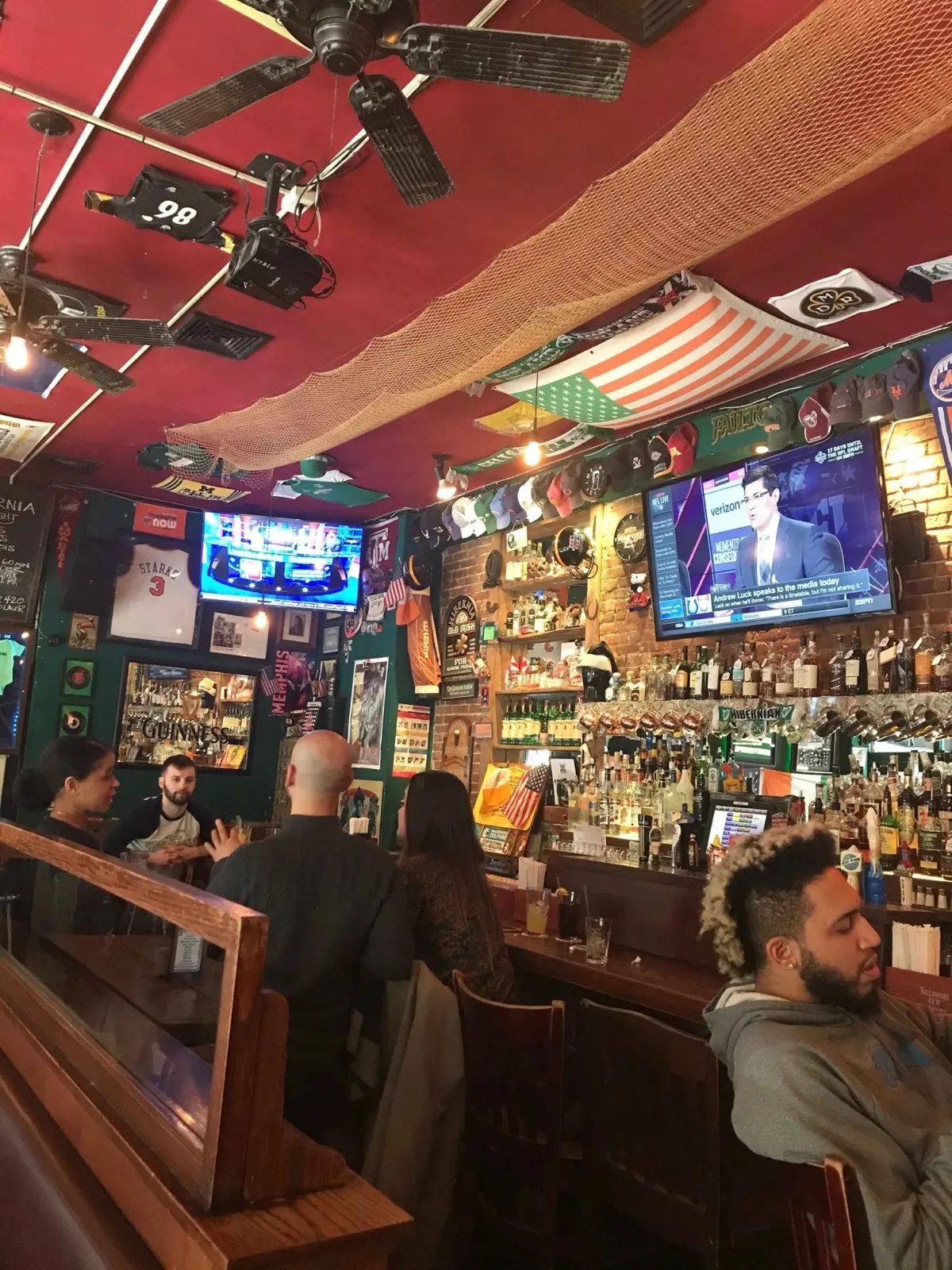
A great night out in New York rarely comes down to finding one perfect bar. The city works better when you think in clusters. Walkable blocks, late night food, a mix of old standbys and newer rooms, and enough variety to change course when the mood shifts, that is what turns a decent evening into a proper Bar NYC adventure.
That is also why neighborhood choice matters more here than in most cities. New York’s drinking culture is intensely local. A cocktail den in the West Village feels different from a dive in Ridgewood, not just in price or décor, but in pace, crowd, and purpose. Some areas reward wandering without a plan. Others are best when you book the first stop and freestyle the rest. Some neighborhoods are all about polished drinks and date-night energy. Others are where you go when the group chat says, “One drink,” and everyone knows it will be five.
If you are trying to decide where to spend your time, these are the neighborhoods that consistently deliver. Each one offers a different version of a night out, and knowing the trade-offs will help you pick the right one for your budget, your tolerance for lines, and the kind of company you are keeping.
Start with the kind of night you actually want
New York punishes vague planning. If you say you just want “good bars,” you can end up spending half the night in rideshares or standing on crowded sidewalks refreshing maps. It is better to decide what success looks like before you leave.
If you want classic New York atmosphere, tight spaces, dark wood, and places that feel like they have been around long enough to collect stories, downtown Manhattan is hard to beat. If you want more room, more experimental menus, and slightly less financial pain per round, Brooklyn gives you range. If your ideal evening includes live music, neighborhood institutions, and a crowd that spans generations, parts of Upper Manhattan make a strong case.
The other useful question is how much movement you want. Some neighborhoods are built for bar hopping in the traditional sense, where your next stop is two blocks away and the streets stay lively deep into the night. Others are better for settling into two thoughtfully chosen spots and taking your time. New York supports both styles, but not every area supports both equally well.
The East Village and Lower East Side, still the most reliable all-rounder
If someone asked me to choose one area for a first serious Bar NYC outing, I would probably send them to the East Village and Lower East Side corridor. Not because it is the cheapest or the trendiest, but because it gives you the best odds of finding your lane without overthinking it.
This part of Manhattan offers unusual density. Within a short walk, you can move from beer-forward dive bars to natural wine spots, from compact cocktail rooms to loud, democratic hangouts where nobody cares what you order. That range matters. Groups often split in taste as the night develops. One person wants martinis, another wants a shot and a lager, someone else wants to sit down and talk. In the East Village and LES, you can usually satisfy everyone without a major reset.
The atmosphere is also forgiving. There are places dressed up for dates and others built for chaos, but the area as a whole does not force a single mode. You can start somewhere polished around seven, eat well, then slide into looser territory by ten without feeling out of place. That flexibility is one reason the neighborhood stays so useful even after trends move elsewhere.
There are trade-offs. It can get crowded fast, especially on Thursdays through Saturdays. Some bars are tiny enough that you may wait outside for space, particularly if you show up with a group larger than four. Prices vary more than visitors expect. A block or two can separate a relatively affordable round from a painfully expensive one. And because there are so many options, people with weak decision-making skills can burn time debating instead of drinking.
Still, few neighborhoods reward wandering more. If your group likes spontaneity and can handle a little sidewalk congestion, this is a strong place to begin.
The West Village, for atmosphere and polish
The West Village is where many people go when they want a night out that feels cinematic. Tree-lined streets, low-lit rooms, and bars tucked into corners that seem designed for whispered conversation, it is one of the city’s best neighborhoods for ambiance.
The area excels at cocktail bars and intimate wine bars, but that description undersells it. What really makes the West Village special is coherence. Even when a place is new, it often feels in dialogue with the neighborhood’s older rhythms. There is a sense of continuity here, and for visitors chasing the idea of old New York, that matters.
This is an excellent choice for dates, small groups, and nights that begin with dinner. It is less ideal if you want a cheap, loose, highly mobile crawl. Drinks are frequently expensive, and the polished atmosphere can work against larger, rowdier groups. You will also run into reservation culture more often. That does not mean spontaneity is impossible, but it does mean planning your first stop is smart.
One practical advantage of the West Village is pacing. Compared with some louder nightlife districts, people tend to drink a little more deliberately here. That can be a relief if you want conversation to be the point. On the other hand, if your goal is a long and energetic circuit with big personality swings from bar to bar, the area may feel too composed.
When it works, though, it really works. Few neighborhoods are better at making a standard night out feel memorable.
Williamsburg, where variety meets comfort
Williamsburg has matured, but it remains one of the city’s most dependable neighborhoods for a broad, comfortable night out. Its main strength is balance. You can find serious cocktails, casual beer bars, music-adjacent rooms, wine spots, hotel bars, and neighborhood staples without ever feeling locked into one scene.
For many people, Williamsburg is easier than Manhattan. Streets can feel a little wider, bars often have a bit more breathing room, and the overall experience can be less frantic. That does not mean it is quiet. Popular places fill up, and weekends still bring lines. But the neighborhood tends to feel more navigable, especially for visitors who want quality without downtown Manhattan intensity.
Another advantage is mixed-use energy. A good bar night here can include dinner, a walk by the water, a late stop for dessert, or a venue with music, all without turning the evening into a logistical project. This makes Williamsburg useful for groups with different tolerance levels. Some can keep going, others can peel off, and nobody feels stranded.
The drawback is predictability. Parts of Williamsburg are so established that they can feel curated rather than discovered. If your idea of a Bar NYC adventure depends on grit, surprise, or the sense that you found something slightly hidden, other neighborhoods may give you more of that charge. Williamsburg can also be expensive in a very efficient way. You may not notice it at first, but after three or four rounds, the total often reminds you where you are.
Even with those caveats, it is one of the easiest neighborhoods to recommend because it rarely fails completely. The floor is high.
Greenpoint, for a slower and more intentional crawl
If Williamsburg is the dependable all-rounder, Greenpoint is its more patient neighbor. A bar night here often feels less transactional. People tend to settle in, bartenders often have more space to engage, and the neighborhood as a whole supports a more relaxed cadence.
Greenpoint is especially good for drinkers who care about atmosphere without requiring theater. You can find thoughtful cocktail programs and excellent beer bars, but the neighborhood does not push itself at you. That restraint is part of the appeal. A strong night in Greenpoint often involves fewer stops and better conversation.
The area also rewards people who like layering an evening rather than sprinting through it. Start with one place for a proper drink, move to another with a stronger music presence, then finish somewhere comfortable enough to lose track of time. It is a neighborhood that suits adults who still enjoy nightlife but no longer need every venue to feel like an event.
The main trade-off is density. Greenpoint has very good bars, but they are less tightly packed than in the East Village or LES. If you are the sort of person who wants a backup for every backup, you may need to walk more or commit more firmly to your choices. That is not a flaw so much as a different rhythm. For the right group, that rhythm is the whole point.
Bushwick and Ridgewood, for energy without too much polish
When people talk about nightlife neighborhoods with edge, Bushwick usually enters the conversation first. Ridgewood, just over the border in Queens, often belongs in the same plan. Together, these areas offer one of the most energetic and least mannered bar experiences in the city.
What stands out here is the range of social intensity. You can find straightforward dives, backyard bars, music-linked spaces, and places where the line between a bar and a party gets thin after a certain hour. That flexibility attracts a crowd that is generally less interested in ceremony and more interested in momentum.
Bushwick and Ridgewood are good choices if your night out is not supposed to feel precious. They reward casual clothes, flexible expectations, and a willingness to follow the room’s energy. If someone in your group says they hate “fancy cocktail bars” but still wants a good scene, this is where I would look.
That said, not every visitor reads these neighborhoods correctly. Some expect bargain-basement pricing because the atmosphere is informal. New York has mostly retired that fantasy. While you can still drink more affordably here than in some polished Manhattan zones, popular spots are not immune to citywide pricing pressure. Transit can also become more annoying late at night if your group scatters in different directions.
Still, for people who want character over finish, this part of the city remains one of the most rewarding places to spend a long night.
Harlem, where history and hospitality matter
Harlem offers a different kind of night out, one less obsessed with constant hopping and more rooted in place. The neighborhood’s bar culture often overlaps with restaurant culture, live music, and long-standing local institutions. If your ideal evening values warmth, depth, and context, Harlem deserves far more attention than it typically gets in mainstream nightlife guides.
One of Harlem’s strengths is that a bar can feel tied to the block around it rather than dropped in for trend value. That gives the neighborhood a sense of continuity that can be hard to find elsewhere. A night here may unfold more slowly, with stronger food options woven into the experience and a more intergenerational crowd than you will find in younger nightlife zones.
This is a smart choice for people who care about substance over novelty. It is also a good reminder that a great Bar NYC experience does not have to mean ten stops and a headache by midnight. Sometimes the better plan is two excellent places, a strong meal, and a room with real personality.
The trade-off is obvious if you are hunting for hyper-dense bar hopping. Harlem can deliver a very good night, but it does not always deliver the same rapid-fire venue turnover as downtown. It is best approached with a little more intention and a little less fear of staying put.
Long Island City, better than many people expect
Long Island City is still underestimated as a nightlife district, partly because people associate it more with residential towers and quick subway access than with memorable bar culture. That misses the point. LIC can be excellent for a focused night out, especially if your group wants quality, less noise, and a shorter battle for a seat.
Bars here often feel roomier than their downtown counterparts. That extra space changes the mood. You spend less time elbowing for attention and more time actually enjoying the drink in front of you. For after-work meetups, first dates, or small groups who want competence without chaos, LIC makes a lot Hibernia Bar Bar NYC of sense.
It is not, however, the best destination for a sprawling improvised crawl. The neighborhood has good bars, but the ecosystem is more selective than overwhelming. Think of it as a choose-two-or-three area rather than a stay-out-until-four district. If that sounds limiting, you may be happier elsewhere. If it sounds efficient, you may love it.
How to choose the right neighborhood on a given night
A little realism goes a long way in New York. The best neighborhood for you depends on the night, the company, and your stamina.
- For a first-time visitor who wants a classic all-purpose crawl, choose the East Village and Lower East Side.
- For a date or a more polished evening, choose the West Village.
- For a comfortable group night with broad appeal, choose Williamsburg.
- For a less rushed, more intentional route, choose Greenpoint or Harlem.
- For high energy and lower polish, choose Bushwick and Ridgewood.
That simple filter saves a surprising amount of friction. It is also worth being honest about your group’s habits. If nobody can decide anything, go somewhere dense. If half the group cares deeply about cocktails and the other half just wants a fun room, pick a neighborhood with range rather than a single-scene identity.
Timing changes everything
New York bars can feel like different businesses depending on when you arrive. The same room that is relaxed at 6:30 can be shoulder-to-shoulder by 9:15. If you have ever had a night derailed by long waits and nowhere to sit, timing was probably the real problem.
Early evenings, especially midweek, are ideal for neighborhoods with smaller bars and stronger cocktail programs. You get better service, more breathing room, and a chance to actually notice what makes a place good. Later hours favor areas with more volume and more tolerance for spontaneity. That is when dense nightlife districts start to outperform refined ones.
Weather matters too. On mild nights, walkable neighborhoods with lots of nearby options become even more valuable. In bad weather, transit convenience and fewer necessary stops become more important. I have seen ambitious cross-borough plans collapse because one train delay and a hard rain turned a fun itinerary into a morale problem. New York rewards local focus.
A few practical rules that improve almost any bar night
You do not need a rigid itinerary, but you do need enough structure to avoid obvious mistakes.
- Start with a destination neighborhood, not a single famous bar.
- Keep your group small if you want flexibility, ideally two to four people.
- Eat before the second drink, not after the fourth.
- If one place has a bad wait, move on quickly instead of negotiating with the night.
- End near late-night food or easy transit, because both feel more important after midnight.
These rules sound basic, but they are the difference between drifting well and drifting badly. New York’s scale can create a false sense that there will always be another perfect option around the corner. Sometimes there is. Sometimes the better move is to take the very good option in front of you and keep the evening moving.
What separates a memorable New York bar night from an average one
It is not prestige. It is not checking off the most talked-about places. And it is definitely not trying Bar NYC to cram five borough-level ambitions into one evening.
The best nights usually share a few traits. The neighborhood fits the purpose. The walking is manageable. The first stop sets the tone instead of draining patience. There is room for one detour, but not ten. Good nights also respect the city’s natural friction. New York is crowded, loud, expensive, and occasionally inconvenient. Fighting those facts rarely pays off. Working with them does.
That is why neighborhood choice matters so much. A real Bar NYC adventure is not about conquering the city. It is about picking the slice of it that matches your mood, then letting that part of town do what it does best. On the right block, with the right timing, New York handles the rest.
Hibernia Bar
401 W 50th St
New York, NY 10019
(212) 969-9703
FAQ About Bar NYC
What is there to do in Hell's Kitchen, NYC?
Explore the restaurants and bars along Ninth Avenue, catch a Broadway show nearby, or visit the Intrepid Museum on the Hudson River. Hibernia Bar is at West 50th Street and Ninth Avenue, a convenient stop before or after a show.
What are some bars in New York City that serve good food?
Hibernia Bar in Hell's Kitchen serves wings, burgers, fish and chips, and shepherd's pie. Its kitchen lists a 2 a.m. closing time, which makes it an option for dinner after a show or a game.
How far is Hell's Kitchen from Times Square?
Hell's Kitchen is just west of Times Square. From Broadway and West 45th Street, Hibernia Bar is roughly 0.6 miles away, or about a 12-minute walk depending on crowds.